This is my first blog, lets keep it simple. I want to provide clear & accurate advice to people who are sore or injured. It can be really, really tough! We are living in strange times. The world has become a place where myths and lies get pushed as the truth, it’s hard to keep up. Everyone seems to have an agenda or something to sell, spouting whatever it takes to make us believe.
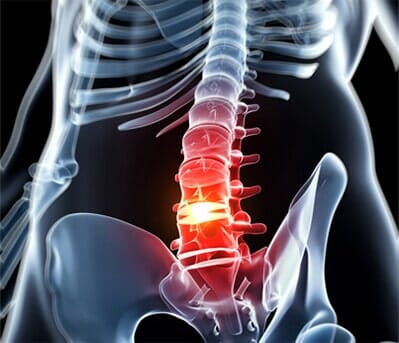
What should we believe and why should we believe it? In my opinion it’s good to be a little sceptical, not closed to new things but wary of bullshit. I am a Clinical Specialist Physiotherapist, I am guided by scientific research and medical evidence. I have a duty to tell my patients the truth, but I also feel like that’s the bare minimum any healthcare professional should do! So why are there so many myths and lies out there about physical healthcare? Well, one reason is because we are all a little too easy to fool. Sometimes it’s easier to understand a simple explanation instead of a more complicated one, even though the simple one may be a lie. Ever heard of a slipped disc? Of course you have, people say it all the time. Let me clear something up… DISCS DON’T SLIP! They just don’t. Spines are strong & bits do not go jumping in and out of place. Yes you can injure a disc and that will hurt like hell, but it hasn’t slipped anywhere. So why the myth? Well for a long time people have been charging money and providing bullshit explanations and bullshit treatments because it SEEMS like it makes sense. If we mentally buy the idea, we will buy the offered service. I say it’s time for change.
“Ever heard of a slipped disc? Of course you have, people say it all the time. Let me clear something up… DISCS DON’T SLIP!”
People aren’t stupid and we aren’t all sheep. We can handle the truth. Personally, I am fed up with people being given the wrong explanations, wrong diagnosis, and the wrong advice. There’s a dangerous mix out there of those who don’t know enough to be tinkering with human bodies, and those who know but mislead people so they can part them with more of their cash. I run a clinic and I charge for the services provided, but I refuse to compromise my professionalism. I will not tell you to come in for 30 appointments when you can be better in 3. I trust that people are smart & are ready to hear truthful explanations, given by a qualified expert, in a professional manor.
I love helping people. I can change the treatment approach or rehab plan to fit your needs, but im going to keep being honest.
Mother’s Day is often filled with flowers, cards, and breakfast in bed. These are lovely gestures. But if we are honest about the realities of family life, one day of appreciation doesn’t quite reflect the daily effort, responsibility, and invisible workload that many mothers carry.
In clinic at Pendulum Physio we see it frequently. Mothers are often the people who organise everyone else’s appointments, pack the school bags, manage the household schedules, attend sports matches, cook the meals, and keep the whole family machine moving.
But when it comes to their own health, they are often the last person on the list.
Mother’s Day is a good moment to pause and address a simple truth: mothers deserve the same attention to their health and wellbeing that they invest in everyone else.
The Hidden Cost of Always Putting Yourself Last
A recurring pattern we see in physiotherapy and healthcare is that many women delay looking after their own health. Niggles get ignored. Fatigue is pushed through. Exercise gets postponed. Meals are skipped or eaten on the run.
Over time, that pattern can accumulate into real physical consequences:
reduced muscle mass reduced bone density lower energy levels increased injury risk persistent aches and pains
Scientific literature supports this concern. Muscle mass naturally declines with age, a process known as sarcopenia, and women are particularly vulnerable to this if they do not regularly engage in strength training and adequate protein intake.
A landmark position stand from the American College of Sports Medicine (ACSM) emphasises that resistance training is essential for maintaining muscle, metabolic health, and physical function across the lifespan (ACSM Position Stand, 2009).
In other words: strength is not optional. It is a core component of long-term health.
Why Strength Training Matters for Women
For decades, many women were incorrectly steered toward endless cardio exercise and away from strength training.
The science now paints a very different picture.
Regular strength and conditioning training has been shown to:
increase bone density reduce risk of osteoporosis improve metabolic health improve posture and joint stability reduce injury risk enhance long-term independence with aging
A systematic review published in the British Journal of Sports Medicine highlighted that resistance training significantly improves musculoskeletal health and reduces injury risk across populations.
Strength training is not about becoming a bodybuilder.
It is about building a resilient, capable body that supports the demands of everyday life.
Carrying shopping bags. Lifting children. Walking the dog. Playing sport. Climbing stairs without pain. All of these things rely on muscular strength.
Nutrition: The Often Forgotten Piece of the Puzzle
Exercise is only one part of the equation.
Nutrition matters equally.
Many women unintentionally under-consume protein, particularly during busy phases of life such as raising children or balancing work and family commitments.
Protein plays a crucial role in:
maintaining muscle mass supporting recovery after exercise regulating appetite and metabolism maintaining strength and function with age
Current evidence suggests that adults engaging in regular physical activity benefit from 1.2–1.6 grams of protein per kilogram of body weight per day (Morton et al., British Journal of Sports Medicine, 2018).
That might sound technical, but the practical takeaway is simple:
Meals that contain adequate protein, vegetables, healthy fats, and whole foods support both energy levels and long-term health.
The Family Role in Supporting Maternal Health
Health should never be viewed as a selfish pursuit.
For mothers in particular, taking time to exercise, recover, and look after their wellbeing is not indulgent — it is essential.
A healthier, stronger parent benefits the entire family.
But this requires a cultural shift inside many households.
Partners, children, and extended family all play a role in supporting mothers to have:
time to exercise time to recover time to prioritise their own health time away from constant caregiving responsibilities
Research consistently shows that social support is a major predictor of adherence to exercise and health behaviours (Bauman et al., Lancet Physical Activity Series, 2012).
In practical terms, this means the family unit needs to recognise that a mother going to the gym, going for a run, attending physiotherapy, or preparing healthy meals is not neglecting the family.
She is strengthening the foundation of it.
A Message from Pendulum Physio
At Pendulum Physio we believe healthcare should focus on building strong, capable, resilient bodies rather than simply reacting to injuries after they happen.
That philosophy applies equally to mothers.
Whether it is returning to exercise after pregnancy, managing persistent aches and pains, improving strength, or building long-term fitness — the goal is always the same:
helping people stay active, strong, and independent throughout life.
Motherhood demands strength.
But mothers deserve the time, support, and opportunity to build that strength too.
This Mother’s Day
If you are a mother, consider giving yourself something more meaningful than flowers.
Give yourself permission to prioritise your own health.
And if you are part of a family with a mother in it, the best gift you can give is support.
Support for her time.
Support for her exercise.
Support for her wellbeing.
Because when mothers are strong and healthy, the entire family benefits.
References
American College of Sports Medicine Position Stand. (2009). Progression models in resistance training for healthy adults.
Morton RW et al. (2018). Protein intake to maximise resistance-training-induced muscle mass gains. British Journal of Sports Medicine.
Bauman AE et al. (2012). Correlates of physical activity: why are some people physically active and others not? Lancet Physical Activity Series.
Hey everyone, first let me check my male privilege but let’s talk about the importance of checking your breasts for breast cancer. Did you know that breast cancer is one of the most common cancers in women in Northern Ireland? That’s why it’s so important to be vigilant about any changes in your breasts.
One symptom to look out for is shoulder pain. This can sometimes be a sign of breast cancer, so it’s essential to get checked out if you’re experiencing any discomfort.
However, it’s worth noting that breast cancer diagnosis can be difficult as it overlaps with other conditions. Some of these masquerading conditions can cause lumps or changes in the breast that mimic breast cancer symptoms. That’s why it’s crucial to seek GP-led care and not to ignore any potential warning signs.
In Northern Ireland alone, approximately 1,300 women are diagnosed with breast cancer every year, highlighting the importance of taking preventative measures and being vigilant.
But here’s the good news: breast cancer can be treated successfully, especially when detected early. So don’t delay in getting checked out if you notice anything unusual. Remember, early detection is key, and it could save your life.
Let’s make breast cancer a thing of the past. Together, we can raise awareness and encourage more women to check their breasts regularly. Let’s stay healthy and strong! #breastcancerawareness #checkyourbreasts #earlydetection #survivor
Greetings fellow seekers of knowledge and understanding! Today, I wish to discuss with you a powerful phrase that has the potential to unlock incredible growth and self-awareness: “I don’t know.”
As a physio, I am often faced with complex questions about the nature of pain, pathology, dysfunction and injury. I am not afraid to admit when I do not have all the answers. In fact, saying “I don’t know” is one of the most important and powerful things a scientist or clinician can say. It is a recognition of the limits of our knowledge and an acknowledgement that there is always more to learn and discover.
But this phrase is not just important in the realm of science. It has deep philosophical and existential implications as well. In fact, the concept of not knowing is at the heart of many great philosophical traditions, including existentialism and Buddhism.
Existentialism emphasizes the importance of acknowledging the uncertainty and ambiguity of our existence. We may never know the true meaning of life or the ultimate purpose of our existence. But rather than despairing in the face of this uncertainty, we can embrace it and use it as a catalyst for self-discovery and growth. Saying “I don’t know” can be a liberating experience, allowing us to let go of our need for certainty and control, and opening ourselves up to new experiences and possibilities.
Similarly, Buddhism teaches that the pursuit of knowledge and understanding is a lifelong journey, and that true enlightenment comes from embracing the unknown. By letting go of our preconceptions and beliefs, we can achieve a deeper level of self-awareness and understanding. Saying “I don’t know” is a humble recognition of our own limitations, and an invitation to explore and learn more.
In our modern world, we are often pressured to have all the answers, to be confident and sure of ourselves at all times. But this can be a dangerous mindset, as it can prevent us from truly growing and evolving as individuals. By embracing the power of “I don’t know,” we can break free from these limiting beliefs and open ourselves up to a I world of endless possibility.
So, my friends, I challenge you to embrace the power of not knowing. Let go of your need for certainty and control, and allow yourself to explore the unknown. Whether you are a scientist, a philosopher, or simply a seeker of knowledge, remember that saying “I don’t know” is not a sign of weakness, but a powerful tool for growth and enlightenment. None of us have all the answers, but with shared knowledge we can figure out problems together.
Exercise is often overlooked as a form of therapy for managing rheumatoid arthritis (RA), but research has shown that regular physical activity can have significant benefits for people living with this chronic autoimmune disease. According to the Arthritis Foundation, exercise can help reduce joint pain, increase flexibility, and improve overall function in people with RA (1).
One study published in the British Medical Journal found that people with RA who engaged in regular physical activity experienced less joint pain and stiffness compared to those who were more sedentary (2). Additionally, exercise has been shown to improve muscle strength and cardiovascular health in people with RA, which can lead to better overall health outcomes (3).
It’s important to note that exercise doesn’t have to be strenuous to be effective. Low-impact exercises such as walking, cycling, and swimming can be just as beneficial for people with RA as high-impact activities like running or jumping (4). In fact, a study published in the Journal of Rheumatology found that aquatic exercise was particularly effective in reducing pain and improving physical function in people with RA (5).
Of course, it’s always important to consult with a healthcare professional before starting any exercise program, especially if you have RA. A physical therapist or certified exercise specialist can work with you to design a program that is safe and effective for your individual needs and abilities (6).
In conclusion, exercise should be an essential component of any comprehensive treatment plan for rheumatoid arthritis. Regular physical activity can help reduce joint pain, increase flexibility, and improve overall function in people with RA. So, if you’re living with this chronic autoimmune disease, don’t let it hold you back – get moving and start reaping the many benefits of exercise today!
References:
Arthritis Foundation. (2021) Exercise and Arthritis.
Hakkinen A, et al. (2001) Effect of therapeutic exercise on pain and disability in the rheumatoid hand: a single-blind randomized controlled trial. British Medical Journal 322(7294): 67-70.
Eversden L, et al. (2014) The effectiveness of a hydrotherapy programme in the treatment of rheumatoid arthritis: a randomized controlled trial. Journal of Rheumatology 41(6): 1105-1112.
American College of Rheumatology. (2019) Exercise and Arthritis
Good sleep is essential for maintaining physical and mental health. Sleep is a restorative process that allows the body and brain to recover from the demands of daily life. A lack of good sleep can lead to a host of health problems, both in the short and long term.
In this blog, we’ll explore the importance of good sleep, the consequences of poor sleep, and some tips for improving the quality of your sleep.
Why is good sleep important?
Sleep plays a critical role in several bodily functions, including:
Physical recovery: During sleep, the body repairs and regenerates tissues, including muscles, bones, and organs. Sleep is also important for maintaining a healthy immune system.
Cognitive function: Sleep plays a crucial role in cognitive function, including memory consolidation, learning, and attention.
Emotional regulation: Sleep is important for emotional regulation, including the regulation of mood and stress.
Hormonal balance: Sleep helps to regulate the production of hormones, including cortisol (the stress hormone) and growth hormone.
Consequences of poor sleep
A lack of good sleep can have numerous negative consequences on both physical and mental health. Some of these consequences include:
Increased risk of chronic diseases: Poor sleep has been linked to an increased risk of chronic diseases, including obesity, diabetes, cardiovascular disease, and cancer.
Impaired cognitive function: Sleep deprivation can impair cognitive function, including memory, attention, and decision-making.
Mood disorders: Poor sleep can contribute to mood disorders such as depression and anxiety.
Reduced immune function: Sleep deprivation has been shown to reduce immune function, increasing the risk of infection and illness.
Increased risk of accidents: Sleep deprivation can impair reaction time and judgment, increasing the risk of accidents and injuries.
Tips for improving sleep
If you’re struggling with poor sleep, there are several things you can do to improve the quality of your sleep. Here are some tips:
Stick to a regular sleep schedule: Go to bed and wake up at the same time every day, even on weekends.
Create a relaxing bedtime routine: Engage in relaxing activities before bedtime, such as taking a warm bath, reading a book, or practicing relaxation techniques such as meditation.
Create a sleep-conducive environment: Make sure your bedroom is quiet, dark, and cool, and invest in a comfortable mattress and pillows.
Limit exposure to electronic devices: Avoid using electronic devices, such as smartphones and tablets, for at least an hour before bedtime.
Avoid stimulants: Avoid caffeine and other stimulants, such as nicotine, for several hours before bedtime.
Conclusion
Good sleep is essential for maintaining physical and mental health. Sleep plays a critical role in several bodily functions, including physical recovery, cognitive function, emotional regulation, and hormonal balance. Poor sleep can have numerous negative consequences on both physical and mental health, including an increased risk of chronic diseases, impaired cognitive function, mood disorders, reduced immune function, and an increased risk of accidents. By following the tips above, you can improve the quality of your sleep and reap the many benefits of good sleep.
A blog written for UlsterRugbyLAD by Pendulum Physio
Many thanks to Peter from Ulster Rugby LAD for the invitation to write a blog. As an Ulster fan I have massively enjoyed the content from Peter, especially the UlsterRugbyLAD Podcast. If you’ll stick with me for a few paragraphs I’m going to share what it’s like to be a Rugby Physio on the Ulster clubs scene, and how it has changed the entire trajectory of my life’s path.
Let me first introduce myself, my name is Declan Judge and I am a clinical specialist physiotherapist. I own 2 clinics and my special interest area is sports medicine. About 15 years ago I was invited to speak with Portadown Rugby Club. At the time I was in the latter stages of my Physio degree in Jordanstown and my good friend & classmate Richie Johnston was playing in the back row for the Ports. I had been already building experience working with several GAA and football clubs, but this was a great opportunity to get started working in rugby. The director of rugby was a big chap named Ernie Liggett and a new head coach had just been appointed, former All Black Hika Reid. I had absolutely no idea who these guys were, I had grown up playing GAA and other sports but had never even been to a rugby match. In retrospect I’d had no real exposure, rugby was not permitted at my school in that era, for me it is one of the great shames of this country how we segregated kids to certain sports at school (that segregation still continues in some parts but not as much anymore thankfully). It feels so ridiculous now to admit that the first trip to Chambers Park to meet the staff and squad made me nervous. It wasn’t the fact that I was the skinniest guy in a room of 50 people that had me sheepish, but the worry about would be made here of a lad born and raised on the Garvaghy Road. I had grown up through horrendous times in Portadown, I had witnessed things that young people should not have to see, but my nervousness that day could not have been more misplaced. I was welcomed so warmly and earnestly that I am proud to say that nearly every person in that room that day remains a close personal friend. PRFC is now my club, my family’s club, a sort of family in itself.
I started working with the squad as they battled hard in the AIL. Hika was putting some new things in place and there was a huge team spirit, but the squad wasn’t strong enough and we got relegated. That first season gave me more experience with sports injuries than 5 years of NHS 9-5 work. It was gold for any aspiring physio. The second season we added to the squad and I got to meet guys like the larger-than-life Mark Chunka Neilly, and a NZ import to play 10 – Ruki Tipuna. Ruki was a different class and would later go on to play 7s for NZ and have spells playing 9 at Bristol, Scarlets, and the Hurricanes. Portadown were able to get promoted from Q1 at the first time of asking and we had a great time doing it, work hard – play hard (looking back we definitely partied far too hard).
The next few years brought plenty of ups and downs, but my level of experience was skyrocketing. I was seeing fractures, sprains, muscle tears, dislocations etc. every Saturday. The IRFU and Ulster Rugby were beginning to dramatically change the way that medical & player welfare issues were dealt with, more education/awareness/training/engagement. Everything was being done better & better and the Irish rugby community was clearly working hard to look after players at every level. I was continuing my education through different jobs, post-grad qualifications, and rugby specific medical courses. I kept working with Portadown the whole time. About 10 years ago a young number 9 came through the team named Marc Beggs. Young Beggsy put in some cracking performances in a blue shirt while studying to become a physio himself. It was a pleasure to help him with teaching and experience for rugby physio so early in his career. Marc even got the privilege of real-life sports injury experience including being put in a neck brace by me one cold January night in Dromore, he learned not to tackle a No8 with his face again. When he asked for my advice about the best way to eventually become a physio in professional sport I told him to abandon all selfish ideas of having a personal life, a stable career path, or a predictable location to settle. He immediately set these wheels in motion and currently resides as lead rehab physio at Bath Rugby after excellent spells as physio with Welsh Rugby Union and Munster.
The thought of working with a professional club appeals to most young physios but I am certainly glad I never chose that path. In recent years I have managed to somehow wrestle my life into something very fulfilling. My work has allowed me to build a team of professionals and we work with a terrific array of people including professional athletes. I have recruited excellent younger physios to our team and guiding them into the rugby work is one of the fastest ways to turn them into better physios. You cannot last long in a rugby changing room if you are not good at the job. In just a couple of hours the physio must tape 6 shoulders, 14 wrists/thumbs, 4 elbows, 5 ankles, 3 knees, pad some blisters, rub 12 legs, rub 5 backs, maybe crack a couple of them. Then get changed, get the kits ready, get involved in the warmup, sort some random injury that has just happened, then cover the game. Most people think the physio is dealing with injuries during games but we are not really. The primary role is to respond to emergencies, everything else is a bonus. The physio will deal with the worst injury events in the sport in a calm and proficient way.
I have taken care of some horror situations and that’s when the training from years of sports trauma courses kicks in. I recall one day we played Bangor and one of their players took the ball into contact. Two Portadown players dipped low into the tackle and both ended up making a hit on his standing leg, which let out a huge echoing crack as it hyperextended with a buckle backwards. At the exact moment his knee was snapping, two of his teammates were mauling up behind him to try and push forwards. All within about 1 second his ACL, PCL, Lateral & medial ligaments were all snapped and the crowd of 5 or 6 players was collapsing to the ground. As he went down his foot folded up into his groin (everyone could see this happening and your eyeballs know when they see a body part move in a direction it should not go). As the players from both teams got to their feet from on top of him the elastic tone in his muscles pulled his lower leg down away from his thigh and groin and it flopped into a weird position where the knee was entirely dislocated with the lower leg now overlapped behind the femur. Two lads watching this instantly vomited at the sight. For whatever reason I was the only physio or medic there that day and instantly told one of the coaches to phone 999. I tried to calm the guy a little as I took control of his leg, but he was going white and looked like he was experiencing a form of shock. I cut his sock and boot off and his foot had no pulse and had already started going pale white and cold, I also noticed in this moment that I was kneeling in a puddle of vomit. Normally I never move a severe trauma like this, just pack it up stable and get them to the Emergency Dept, but this guy was in a really bad situation and the word on the phone was that help was 15 or 20 minutes away. I made the decision to try and move the leg to restore blood flow, it took a few of us to hold and pull to get it done but thankfully as soon as it was out straight the foot started to come back. I got a fracture splint in place and we put him on a stretcher and got him off the field. The paramedics arrived soon afterwards and took him away. I worried about that incident for ages. I had made a difficult decision in a time-pressure situation, but I was fully aware that any time we move such a mangled limb on the pitch we could be doing more damage. It was a relief but also a delight when the player came to see me the following season. He was wearing a leg brace to stand and walk but he looked well. He shook my hand and then gave me a sort of hug with the other arm. We had a chat about how he’d been getting on and he thanked me for that day, saying that he’d since seen 4 specialist consultants who all agreed I’d saved his leg that day. It felt good to get that feedback, the guy was so thankful and sincere, even a bit emotional. Physios do amazing work, but we rarely save lives (instead maybe make lives worth living?). I was proud to have at least saved a leg.
Being a physio in amateur rugby is a unique challenge. There is not a lot of money around, clubs do their best. You’re working on your own most of the time, yes the coaches are there but you’re herding 30 guys with no other medical assistance, the buck stops with you. Cold changing rooms, setting up physio room in the showers, explaining to brandy drinkers why the fly half hasn’t healed from his hamstring tear in 6 days. You have to be everything at once: psychology skills for the headcases, nursing skills for the softies, coaching skills for the lazies, business skills for the management staff updates. Portadown have always been excellent to work with, they’ve done whatever they can to make sure that equipment & protocols are up to date to protect the players. We have a great Doctor & clubman in Ian Kennedy who I chat with every week. As I said before the culture of player welfare in Irish rugby keeps improving but that’s a process, and processes are rarely perfect. Thinking now of how myself and everyone else dealt with head injuries years ago is sort of embarrassing, we were in the dark ages! Concussion now is rightfully a primetime issue. Despite some negative press in recent months I honestly feel that Rugby can be proud of how it has led the way in changing the understanding and culture around concussion. IRFU & Ulster have been shining lights in preparing and disseminating information and training to make sure everyone is safer, and they haven’t stopped, the process is ongoing.
We continue to work with PRFC because amateur rugby is genuinely the pinnacle of sports physio. Despite my adoration for professional players at the peak of their game, they are just not as good as my lads. My guys get up at 5am to squeeze in a gym session, and then go to work. They rush home to see their families for an hour and maybe skip dinner because its training night. Out into the cold and wet night to hit bags and slog fitness, all leading towards Saturday. When I walk around the changing rooms after games I get a gauge of how many injuries are new and how bad. Guys are sipping cold beers while putting ice packs on their newly swollen limbs. The seriousness of the pregame prep is gone and if we’ve won then the tunes are on and the craic is 90. The drinking scene is not like it used to be, most players are much more sensible these days, but the vibe in the club after a game (win or lose) is the best feeling. Amateur players slaughter themselves physically and mentally every week for years and years. No money, no glamour, very little glory. Just because they love the game. I played my first game of rugby at the age of 25. I learned the rules by being a physio every Saturday. I played for PRFC 5th XV and for the first time learned what it was like to come back to the changing room as a beaten-up player. I used to play just when our 1s had no game but and in the last couple of years I’ve played across our 2s, 3s & 4s at weekends instead of doing physio (thank you to my staff Dee & Scott who have stepped into the pitch side roles). I truly love it and thanks to guys like Geoff Caldwell & Keith Boyce there is even an over 35s touring team which will allow me to keep playing until my hips give out.
Even though our senior team has struggled to recapture some of its old successes recently there is still plenty to celebrate at our club. The inclusiveness and togetherness that brought me in and made me one of the gang is still going strong. The club have a massive focus on youth and in recent years have added a women’s team, The BlueBirds. My son James got started at the minis this year (between lockdowns) and Santa was good enough to gift him his first PRFC playing jersey. I’ve been thinking a lot this week about Willie Gribben who sadly passed a year ago. Willie and his wife Edna generously gifted things to my kids any time I did anything for them. Willie is of course a legend and we all miss him terribly. He seemed to form such a strong bond to people and I felt that connection as he helped me and guided me with things around the club for years. The eulogies at Willie’s funeral talked about how he was setting up cross community youth rugby in the 70s when nobody in the area would have dreamt of it, this resonated with me. He embodies everything about why sports clubs are a hub of the community, and how RUGBY IS FOR EVERYONE. Portadown Panthers is a great example of Willie’s work continuing on the path of inclusiveness and youth investment. The mixed abilities team gives young and old an opportunity to play and coach, with Rory Best as their patron and people like Ian & Karen Flack being involved, the project is in very good hands. Ian, by the way, is 55 and still playing social rugby while his sons Drew and Brett play for the seniors. I had the great pleasure of playing with Flackie last year on tour in France and I had the great displeasure of rooming with him.
I will be 36 soon but I’ll keep paying my players membership. Ian Flack gives me hope that maybe one day I’ll get to play on the same pitch as my sons. All rugby clubs need our membership right now, there’s no business coming through our clubs due to C19 closures and we will need them to regain our sanity when normality returns. Being around rugby clubs as a physio, player, or spectator is one of the things I’ve missed most during lockdowns. Of course, I look forward to getting back to Ravenhill too, but there’s something that just gets me about grassroots. I was clearing the garage today and opened a kitbag that I forgot to empty after my last game back in September. The smelly boots just brought me back to the changing rooms in my mind, I cannot wait for everything to be back and I am eagerly awaiting my own Covid-19 vaccine. I would encourage any young physio to get working in amateur rugby, there are few roles that offer so much learning and exposure, it will make you a better physio. For me it also brought travel, friendships, community, opportunity, business relationships, and so much more. Many people will know these values from your own local rugby club. Our local clubs are the lifeblood of Ulster & Irish Rugby. I hope we can all spend more time together at our clubs soon and connect even more with our neighboring rugby clubs, our schools, our other sports clubs.
Foreword -Pendulum Physio here, and I’m over the moon to introduce our very first guest blog. The following paragraphs are written by Jean. She is a mother and a critical thinker. One of her kids is Autistic and I found her blogs (Autism; Practical Magic) to be so refreshingly honest, well-informed, and funny! Honesty is something I have become known for, I have a low tolerance of bullshit and my industry is full of it. Reading Jean’s blogs I reflected on some of the people I treat who are Autistic, and I realised that no matter how straight-to-the-point I try to be I will NEVER have the skills of brutal honesty that some of my autistic patients have.
 “How did you get on with those exercises?
I did not get on them or with them.
Did you try them?
No. Those exercises are boring so I don’t want to do them.
Okay no problem! That’s great information, let’s try something different.
Fine but I probably won’t enjoy it”
I love how direct that communication is! I’d take that every day of the week. I’m certainly no expert in Autism, but I’m keen to learn more and I enjoy meeting & treating people with Autism. I try to treat the person, I have no desire to try and treat their Autism – in fact I’m not sure it’s something to be ‘treated’ at all. I do see many false claims from people who claim to treat or cure or prevent Autism. Jean is sharing her thoughts on why parents of Autistic kids make such easy targets for ruthless Quacks.
Why Quack Therapists Target Autism Parents
We live in curious times. We are safe in the knowledge that plague is spread by bacteria, and not witchcraft. We know that soundwaves crackling across the airwaves, and not the cunning work of the devil, transports music to our radios. We rely on doctors, and not witches, to heal illness and injury.
“You can buy a few healing crystals along with your weetabix”
It’s the 21st century. We’ve all been to school. We’re pretty enlightened, and books of healing spells are shelved in a dusty, unused library along with tomes on alchemy, sorcery and mythology. Right? But it seems that despite steady progress in science and critical thinking, that our fascination with all things alternative has done nothing but grow. You can buy a few healing crystals along with your weetabix on a trip to the supermarket. Homeopathic tinctures are displayed with grave credibility next to paracetamol. Aromatherapy oils bewitch us with promises greater than just making your home smell better than a month-old ham sandwich (true story, involving my older son, poor food hygiene, and the use of under his bed as a teenage black hole… I think the third secret of Fatima and the remains of Amelia Earhart could be in there somewhere too).
When our heads know better, and there are acres of evidence discrediting quack remedies, it’s puzzling that we continue to spend our time, energy and not inconsiderable money on them. In a time when ‘miracles’ can be explained with MRI scans and satellite images, we are still drawn to alternative remedies like moths to an expensive, but dishonest, flame. So why do we fall for it?
“I am sleep deprived, anxious and depressed, yet I’ve never been happier”
I have a 14 year old autistic son, who has made my life harder and better than I ever imagined possible. I am sleep deprived, anxious and depressed, yet I’ve never been happier. I have fewer, but better friends. My career is a distant memory, but I get to hang out with the best kids in the world. The cracks in my marriage (which are in every marriage if you stay the course long enough) have been stretched and pounded with relentless force, but have not broken. I am often lonely, exhausted and hopeless but am deeply grateful for the depth of love in my life. I have less money to spend on making myself and my home look like a magazine photoshoot, but I am honest about who I am, and have a home with an endless supply of tea and coffee, if not designer decor. Life is desperately hard and awesomely brilliant.
And some days are more hard than brilliant.
So, if my son is having what I call an “autistic day”, and somebody knocks on my door and says “hey, gimme all your savings, spray bleach around a lava lamp, feed your child nothing but corrugated iron and Goji berries, and I can magic away all the hard stuff”, it’d be hard to restrain myself from dragging them inside, chaining them to the radiator and screaming “do your magic NOW!!!” while tearing off to the nearest ATM. (btw, that ‘crazy’ stuff I just listed isn’t a million miles away from many of the so-called autism therapies I’ve come across, just so you know).
So why, when we know better, do we continue to get sucked in by snake-oil salesman?
I can’t pretend to have all the answers, but I think I’ve come across a few of them over my years of trying to ensure that my son receives the best education and therapies available to him.
First up, alternative therapies are easy. Living with an illness, injury or disability is hard. Taking medication and coping with it’s side effects sucks. Doing the physio, speech therapy, or Applied Behavioural analysis (ABA) is tiresome and slow. Results are rarely rapid or complete. And professional therapists will never massage your tired soul with lies. On the other hand, an alternative therapist will promise quick, easy, expensive cures and will shamelessly lie through their teeth while selling you ionising foot spas to suck the autism out of your child (that’s an actual ‘therapy’). We will always prefer the easy option. We’re human. But, if a therapy sounds too good to be true, it is.
As parents, we have to accept a large amount of responsibility for our child’s progress. We can’t hand our Little Dear to an Occupational Therapist and say “fix him” while we spend an hour having a nice pinot noir in a book shop (my idea of heaven…. although Prince DJ-ing in a corner would make it completely divine). Parents have to get involved, attend the sessions, and do the work. There is no get out of jail free card on this one. As with anything worth achieving in life, whether it’s regaining health, weight loss, fitness, using speech, or learning a skill, we reap what we sow. It takes work, patience and tenacity to achieve the good stuff and as parents we have to accept that responsibility on behalf of our child. The temptation to hand this over to an alternative therapist for a quick fix can be overwhelming, especially when we’re at a low ebb. But they are our kids to nurture and to coax towards achieving their full potential, with the help of teachers and professionals, and nobody else’s. We lean towards quack therapists because we’re tired, and the road is long, but it’s important to recognise this and avoid it.
“your child is still here, after all. But you grieve for hopes, dreams, a normal existence”
Where we’re at in the grieving process makes us especially vulnerable to quackery. When your child is diagnosed with a life-long disability, you grieve hard. It can be difficult for other people to understand the pain and loss you feel, because your child is still here, after all. But you grieve for hopes, dreams, a normal existence, your career, your marriage, friends, holidays, conversations, sleep, money, going to Lidl without a written schedule, trusting your child not to eat glass, no shit smeared on the walls, having a shower, remembering the names of your other children….. that type of stuff. When you’re chest-deep in all that, and somebody waves a shiny something under your nose and promises to make it all better, it’s a test of character not to grab it and hold on for dear life. It’s pretty depressing that there are people in the world who will happily strip the shirt off your back while you’re devastated with grief, but that’s how it is. One of the big reasons that we are drawn to quackery is that we’re heart-broken and we want the pain to go away. Of course, there’s no avoiding grief; we have to go through it, and avoiding it by focusing on bleach enemas or restrictive diets will only delay our acceptance of our child’s condition. This helps no-one except the salesman, but it’s an easy cycle to keep slipping into.
The last reason I want to touch on is marketing. Alternative therapies are huge business, which are not above scaring parents into buying their product in case their kid is missing out. When you’re new to autism, and you’re trying to wrap your head around an entirely new language, meeting therapists you’ve never heard of and trying to separate the grain from the chaff, you’re ripe as a juicy plum for being devoured by hucksters. Everything scares you in the early days. What if I prevent my child being cured because I didn’t invest in a hyperbaric oxygen chamber? How can I live with myself if I don’t suck out the autism-causing toxins with chelation? I don’t deserve children because I’m not feeding them gluten-free, casein-free, hypoallergenic, extra-virgin, cold-pressed fish ears (or something equally ridiculous)? Marketing works by figuring out our fears and poking at them with heartless, pointy sticks, and Autism parents have plenty of fears.
“I love shiny crystals. I give my kids fish oils. I enjoy meditation. But I know none of them will cure autism.”
I think it’s important not to beat ourselves up over being attracted by alternative therapies. I love shiny crystals. I give my kids fish oils. I enjoy meditation. But I know none of them will cure autism.
The best way forward is to read lots, talk lots and listen to the professionals…. and keep the shiny stuff to hang on your Christmas tree.
Gareth and I talked about whether to share his story online, he didn’t hesitate for a second, “let’s do it”. Like myself, Gareth is a medical health professional. He is part of a highly respected and prestigious group of clinicians that help people in pain every day. When was his turn to be in pain he wasn’t 100% sure what to do.
“I work hard to provide the very best care for my patients”
We all get sore, that’s part of being human. As a physio it’s my job to give the right advice and guidance. People often think that a ‘good physio’ is whoever does a good massage, but massages don’t do much (no matter how much you love them). I work hard to provide the very best care for my patients, but usually that isn’t any magical treatment or impressive device with flashing lights. When Gareth contacted me I promised him one thing… good advice.
I’ve worked in a lot of different settings through private practices, sports medicine settings, and several NHS departments. Building experience is important, knowledge and skill are important, but I feel that most important of all is putting the patient’s needs first. That doesn’t mean the patient is always right of course, often people want their back rubbed better when really it’s a complete lifestyle change they need, that’s never an easy sell! But Gareth isn’t one of those people, a GAA player in his early 30s who goes to the gym, he wouldn’t be the type of person who typically develops chronic back pain. He did, however, hurt his back. That’s pretty common though, people hurt their backs all the time. Most back pain isn’t serious and goes away on its own, it can be a good idea to have it assessed and get some advice for how to deal with it properly. By the time Gareth came to see me he was so twisted, so bent and shifted and rotated, that I honestly thought he was winding me up! I’ve looked after a lot of people with back injuries… A LOT! But I can’t think of another time when a person resembled a mangled body from The Walking Dead quite like this. He was exhausted looking and in obvious agony, but this never should have gotten this far.
“Physiotherapy has to do better than wacky and immoral placebo approaches”
To bend down and feel a little twinge in your lower back is a familiar complaint. Gareth wouldn’t be alone in his approach to just keep going and try and get through it, in fact, that’s probably the best thing for it. He tried to go to football training but wasn’t able to fully participate. After chatting to some friends he was recommended the name of a ‘Physio’ to go see. Now you can tell from the ‘…’ business that I’m letting you know that this person wasn’t a physio. You might ask “so what?” or say “I’ve been to loads of physios and they didn’t help me!”. I would be the first to say that many physios aren’t doing a good enough job, anyone who knows me will agree that I have a low tolerance for these folks who rub your back 50 times and just take your money and those who stick magic needles in your skin to cure a hamstring tear. Physiotherapy has to do better than wacky and immoral placebo approaches. But there is a big problem brewing, a huge variety of self-professed ‘Therapists’ have emerged & every town now has multiple ‘clinics’ offering all sorts of ‘treatments’. These are mostly unregulated and using unprotected titles. I cast my mind back to the comedian Dara O’Brian quipping about going to see the ‘Toothiologist’ instead of the Dentist.
Gareth fell victim to a person who calls himself a physio but who isn’t one. This person runs a “spinal clinic”. He was told that his “pelvic joint is out of place” and a short time later he was given a manipulation to put it back in. Let me just state for the record that these explanations, despite being common, are ABSOLUTE BOLLOCKS!
“there seems to be far more people out there now with barely a clue what they’re talking about”
A couple of days later is when Gareth came to see me, now I’m not bragging that it was me who made a difference or anything like that, I know tonnes of top quality physios and doctors who do a great job of looking after backs every day. But there seems to be far more people out there now with barely a clue what they’re talking about when it comes to physical medicine, and they’re not just down the pub talking shite, they’re cracking backs in YOUR neighbourhood. Gareth had started with a very minor lumbar disc injury, which would have settled with some time and movement, and ended up with a large disc proplapse – a serious injury. Even the tiniest disc injuries can be very sore, but applying high speed & high force manipulation to an injured structure is a recipe for catastrophe. He needed an MRI scan to show the extent of the injury, which was now compressing his spinal nerves, and he spoke to a spinal surgeon.
I have been in that scenario – chatting to a spinal surgeon about the risks vs rewards of opening up the spine to cut off a bit of disc. No matter how smart/educated/brave/whatever you are that chat is scary biscuits. The surgeon shared my clinical view, to only proceed if absolutely necessary. Mr Surgeon briefed him about a special set of Red-Flag symptoms to watch out for, Gareth responded that I had already talked him through these and he joked about being asked so often if he had lost control of his bowels. Now was a tense waiting game, gentle treatments and exercises while seeing if the symptoms got better or worse. They got better but it was very, very slow progress. It’s over a year later and big G is finally back playing football, going to the gym, and working away. But like I said before it never should have gone that far, what happened to Gareth is tantamount to assault. An unregulated quack performing an unsafe technique on a vulnerable member of the public, taking a year of his normal life away from him and charging him for the experience! How many work days lost? What about the number of opportunities lost to play with his kids? That same quack wanted him back for a repeat session, one can only imagine what kind of wheelchair Gareth’s poor wife could afford on a carer’s allowance. He was unlucky, but it was so close to being infinitely worse.
“how do we all tell the difference between what’s real and what’s not?”
So if this can happen to a smart guy who works in healthcare, how do we all tell the difference between what’s real and what’s not? It’s definitely getting harder. The Health & Care Professionals Council (HCPC) is a good place to start though. http://www.hcpc-uk.co.uk/ . They regulate allied health professionals and you can check the register online. If they’re not on the register then they’re not a physio! Many people will have been to other varieties of therapist, and many people may have been helped, but I recommend you are very picky about who you trust your life with! Gareth may have narrowly avoided a spinal cord injury but if it had been his neck he might have suffered a stroke (the carotid artery to the brain runs through the spine).
At least physios (actual physiotherapists) are externally regulated. That means they are answerable to independent bodies if anyone has a genuine complaint. You’ll need to find a good one, and that might be tricky, but please avoid the unregulated and unsafe quacks.
If you’ve never heard of the X-Men you don’t know what you’re missing. A bunch of men and women who have extraordinary abilities thanks to genetic mutations, a leap forward in human evolution. Abilities such as super-fast healing, psychic powers, or shooting frickin’ laser beams from their eyes! They are of course a work of fiction from Marvel Comics, and have spawned a whole franchise of cartoons, films etc. This little blog is about the X-Men who live among us.
“Lots of people move and stand and have anatomy that is not ‘text book’, but we are supposed to, we really are all different.”
I talk all the time about a “normal spectrum of human variation”. What I mean is that people come in all shapes and sizes. In the world of Physio we can be far too obsessed with saying that you need to be a certain posture or you need to run a certain way when, in reality, variation is fine. Lots of people move and stand and have anatomy that is not ‘text book’, but we are supposed to, we really are all different. So I try to reassure people and not feed into myths or insecurities, if something looks different from ‘the normal’ it’s usually still fine and just part of that normal spectrum of how different all humans can be. One thing that varies a lot is human flexibility. It can depend on your genetics, activity levels, environment, and other lifestyle factors. Genetic flexibility mostly involves how tight or loose your ligaments are, but also relates to muscular flexibility, bone/joint geometry, and how elastic your other tissues are. Some people are loosey-goosey and others are tight as a drum. For those that are very loose (or you may hear it referred to as hypermobility or double-jointed) it can be a benefit – particularly for those that want to do activities that require a lot of flexibility like dance or gymnastics, but flexibility is only your friend if you can control it.
“So how do we control hypermobility”
So how do we control hypermobility? Well the simple answer is with strength. Resistance training, and particularly weight training, can reap big rewards for someone who keeps dislocating their kneecaps or over stressing their spinal joints. More muscle control to make up for the lack of joint control. It’s a simple idea but very hard to get right every day, week, month…
“Their extreme flexibility causes regular dislocations of joints, pain, damage, inflammation, arthritis, and plenty more.”
Some people are so flexible that they fall outside the normal spectrum. Recently I’ve had more patients who have genetic tissue conditions than I saw in the last 10+ years. Some of these people tell me “I’m a freak”. They’re being funny and laughing about it but they know they’re not like other people. Their extreme flexibility causes regular dislocations of joints, pain, damage, inflammation, arthritis, and plenty more. It is usually caused by a genetic mutation… just like the X-Men.
So everybody has their own baggage, right? We all have these problems and issues that we carry around with us, making life tough. Well I took a little inspiration from these people, that problem is not going away for them but they are wearing a smile and visiting the Physio to see what more they can do. Staying in bed and being upset are valid responses to dealing with a challenging genetic condition but these folk are looking for answers, finding ways around the problems. Their mutations may not be a leap forwards in evolution but their state of mind is, and it shows true strength of character. Of course the same is true for so many people who deal with all kinds of physical, mental, or emotional challenges. Life is not easy but meeting people who have that fighting spirit and strong will inside them certainly helps me dig deep for my own challenges.